
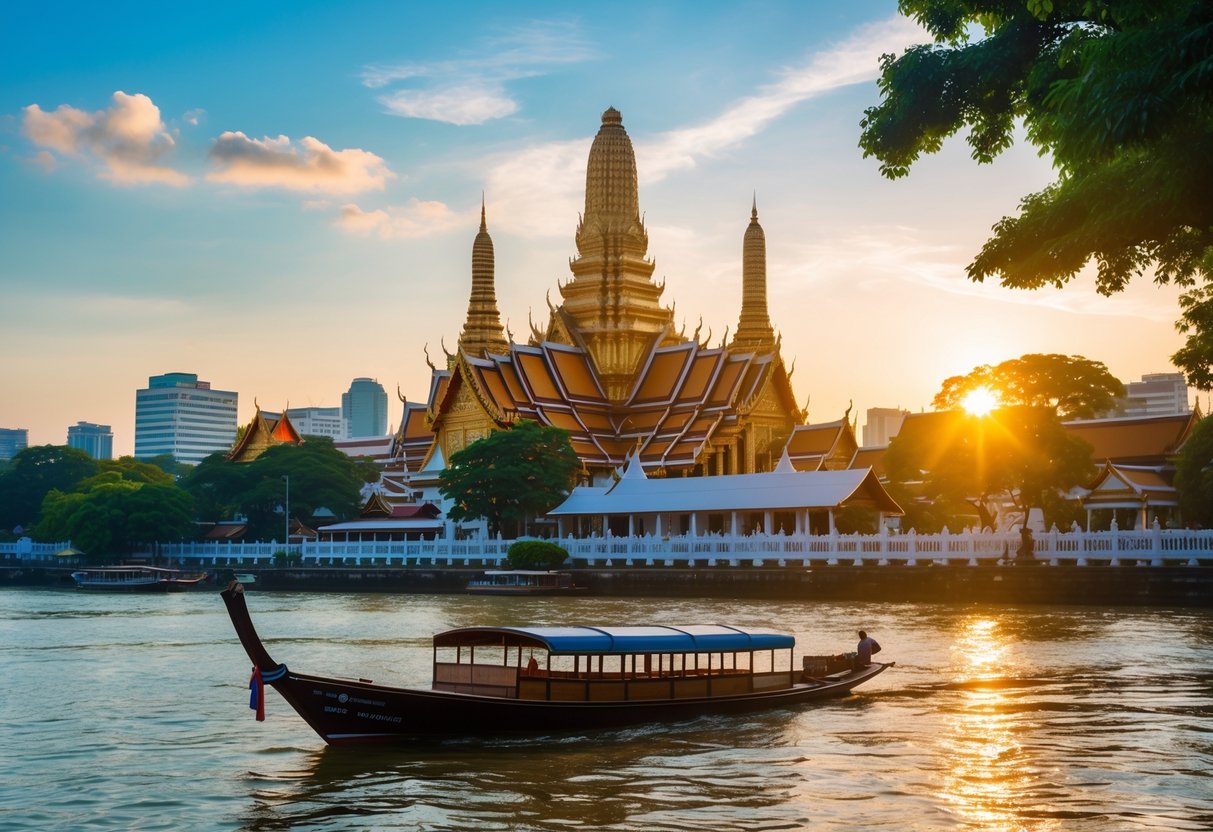
Bangkok has shifted from a quick layover to a destination people genuinely get excited about. Thailand’s capital city blends ancient temples, glitzy malls, legendary street food, and a nightlife scene that never seems to sleep. Every year, millions pour in, drawn by the city’s wild mix of tradition and modern buzz.
Bangkok gives you a lot for your money—affordable places to stay, cheap local rides, and food that covers every price point. The city’s public transit has improved a ton, so getting around isn’t the headache it once was. You can hop from glittering temples to floating markets, rooftop lounges, or mega malls without spending much.
No matter your style—backpacker, luxury seeker, or somewhere in between—Bangkok fits. It’s a solid jumping-off point for the rest of Thailand, but honestly, there’s so much here you could spend your entire trip just in the city. The warm weather, welcoming people, and endless things to do make it easy to see why Bangkok keeps climbing the travel charts.
Key Takeaways
- Bangkok’s affordable—food, places to stay, and getting around won’t wreck your budget
- Public transit now links airports, neighborhoods, and main sights, making travel a lot simpler
- The city serves up ancient temples, epic street food, shopping, and nightlife for every kind of traveler
How to Travel to Bangkok
Bangkok’s the main gateway to Thailand, with two international airports and plenty of ways to get around. Picking the right airport, figuring out local transport, and timing your trip for good weather all make a difference.
Arriving at Suvarnabhumi Airport and Don Mueang International Airport
The city has two main airports. Suvarnabhumi Airport handles most international flights and big airlines. Don Mueang International Airport is the hub for budget airlines and some domestic flights.
Suvarnabhumi sits about 30 kilometers east of central Bangkok. The Airport Rail Link runs right into the city in around 30 minutes. It connects with the BTS Skytrain for easy transfers.
Don Mueang is 25 kilometers north. You can reach central Bangkok by bus, taxi, or train. Depending on traffic, it usually takes 45 to 60 minutes.
Both airports have metered taxis (with a small airport fee). Airport buses offer a cheaper way into town, stopping at several city locations.
Bangkok Transportation Options
Getting around Bangkok gets much easier once you know the basics. The BTS Skytrain glides above the traffic, hitting most shopping and business spots. The MRT subway runs underground, linking up different neighborhoods.
You can grab rechargeable cards for both systems, or just buy single-trip tokens at the stations.
Taxis are everywhere and use meters. Always check the driver starts the meter before you go. Tuk-tuks are fun for short rides, but you’ll need to agree on a price first.
Buses cover the whole city and cost next to nothing, but the routes can be confusing if you’re new. Boats on the Chao Phraya River are a scenic way to reach major temples and riverside attractions.
Choosing the Best Time to Visit
November to March is when Bangkok’s weather is at its best. It’s cooler, less humid, and generally pleasant. That’s peak tourist season, though.
December and January bring the coolest days, with highs rarely above 30°C. Rain’s not much of an issue, so outdoor exploring feels good.
April and May get seriously hot—think 35°C and up. June through October is rainy season, with heavy afternoon showers.
Hotels cost the most in the cool season, then drop when it’s hot or rainy.
Travel Tips for First-Time Visitors
Bangkok’s heat sneaks up on you, so keep water handy and duck into air-conditioned places when you can.
Locals call the city Krung Thep, and it can feel overwhelming at first. The BTS and MRT help you dodge the city’s notorious traffic jams.
You’ll find currency exchange spots at airports, banks, and malls. ATMs work with international cards, but expect a withdrawal fee.
Street food’s usually safe if you stick to busy vendors cooking food fresh. Skip tap water and be careful with ice if you’re not sure where it came from.
Learning a few Thai phrases goes a long way—locals appreciate the effort, and it makes getting around easier. Most central signs have English, so you won’t get totally lost.
Exploring Bangkok: Neighborhoods, Attractions, and Experiences

Bangkok’s a city of contrasts—ancient temples, wild markets, and neighborhoods with their own personalities. From the historic palaces in Rattanakosin to the modern shopping sprawl of Siam, each area has its own vibe. Markets and street food bring the real Bangkok to life.
Iconic Temples and Shrines
Wat Phra Kaew and the Grand Palace top most must-see lists. The temple holds the Emerald Buddha, and the palace grounds show off classic Thai architecture across a huge area.
You’ll need to dress modestly—long pants and covered shoulders. Entry is 500 baht, and they open daily from 8:30 AM to 4:30 PM.
Wat Pho sits just south of the Grand Palace, home to a 46-meter reclining Buddha. It’s also where traditional Thai massage began. You can book a massage right at the temple’s school.
Wat Arun stands tall on the Chao Phraya’s west bank. Its porcelain-covered spires look especially stunning at sunset. If you’re up for it, climb the central tower for sweeping river views.
The Erawan Shrine near CentralWorld draws crowds hoping for good luck. The Hindu shrine, dedicated to Brahma, often features live Thai dance performances.
Must-Visit Districts and Streets
Rattanakosin is Bangkok’s historic core, packed with the Grand Palace, big temples, and classic architecture. This area is all about royal history and old-school culture.
Chinatown, centered on Yaowarat Road, buzzes day and night. It’s a street food paradise, with Chinese temples and gold shops mixed in. After dark, the food scene explodes onto the sidewalks.
Khao San Road is still backpacker HQ, with cheap stays, lively bars, and endless street vendors. It’s close to the temples and has plenty of budget eats.
Sukhumvit runs along the BTS line, offering international restaurants, shopping, and nightlife. Expats and tourists flock here for the modern comforts and food variety.
Silom is the business district by day, but at night it morphs into an entertainment zone. You’ll find the famous Patpong night market and loads of rooftop bars here.
Siam is shopping central, home to Siam Paragon, CentralWorld, and Siam Square. Whether you’re after luxury brands or local fashion, you’ll find it here—plus huge food courts.
Markets, Shopping, and Food Experiences
Floating markets give a taste of traditional Thai life outside the city center. Damnoen Saduak is the most famous, with vendors selling fruit, veggies, and meals from boats.
Chatuchak Weekend Market is massive—over 15,000 stalls spread across 35 acres. You’ll find clothes, crafts, antiques, and street eats, mostly on weekends.
Street food is the heart of Bangkok’s food scene. Yaowarat Road in Chinatown turns into a food lover’s dream at night, with everything from dim sum to noodles and fresh seafood.
Local markets like Saphan Phut and Pratunam have bargain clothes and accessories. They’re mostly for locals, but you’ll get a more authentic shopping vibe than at touristy spots.
Thai massage is everywhere—from temple schools like Wat Pho to fancy hotel spas. Whether you want a traditional massage or a luxury wellness day, you’re covered.
Suggested Itineraries and Nearby Destinations
If you have 3 days in Bangkok, spend one exploring Rattanakosin’s temples and palaces. Dedicate day two to Chinatown and river sights along the Chao Phraya. On day three, shop in Siam and check out the nightlife in Silom or Sukhumvit.
Where you stay depends on what you want. Sukhumvit is modern and well-connected. Silom has business hotels near the financial center. Backpackers tend to stick to Khao San Road for cheap digs.
Ayutthaya is a popular day trip—just 90 minutes by train. You’ll see ancient temple ruins and get a feel for Thailand’s history.
Pattaya is two hours southeast, offering a beach break from the city. Buses and private cars go back and forth all day.
Bang Krachao is a green hideaway right across the river. Rent a bike, hit the local markets, and enjoy the slower pace for a few hours.
Frequently Asked Questions
Bangkok draws millions every year, and people tend to have similar questions—visas, weather, which temples are worth it, how long to stay, getting around, and the basics of local etiquette.
What are the visa requirements for tourists visiting Bangkok?
Most tourists don’t need a visa for short trips. Folks from the US, Canada, and much of Europe get a 30-day exemption on arrival.
Your passport needs to be valid for at least six months from when you enter. You’ll also need proof of a ticket out within 30 days and enough money for your stay.
If you want to stay longer, apply for a tourist visa at a Thai embassy or consulate before you go. Those usually allow 60 days, with a possible 30-day extension.
Visa rules can change, so check with your local Thai embassy before you book.
Can you recommend the best time of year to visit Bangkok for weather and local events?
November through February is the sweet spot—cool and dry, with temps around 75–85°F, less humidity, and barely any rain.
March to May gets hot and sticky, often over 95°F. June to October is rainy season, but the downpours usually don’t last long.
The cool season lines up with big festivals like Loy Krathong in November and Chinese New Year in January or February. These are fun but bring bigger crowds and higher prices.
If you don’t mind some rain, the wet season means cheaper hotels and fewer tourists at the big attractions.
What are the top attractions to visit in Bangkok?
The Grand Palace complex, with its sacred Wat Phra Kaew temple, really shows off traditional Thai architecture. If you go, make sure to dress modestly—cover your shoulders and knees, or the guards will definitely let you know.
Wat Pho has this massive reclining Buddha and is famous as the birthplace of Thai massage. Wat Arun stands out with its intricate porcelain mosaics and gives you some of the best river views in the city.
Chatuchak Weekend Market sprawls across 35 acres and packs in over 15,000 stalls—clothes, vintage stuff, pets, street snacks, you name it. It’s only open Saturday and Sunday, so plan ahead and get there early if you want to beat the crowds.
You can hop on a boat along the Chao Phraya River and pass temples and old neighborhoods—it’s a great way to see a different side of Bangkok. Khao San Road is still the go-to for backpackers looking for cheap stays and a lively night out.
If you want something more modern, there are rooftop bars with killer city views, plus shopping centers like MBK and Siam Paragon for a break from the heat.
What is the recommended length of stay for a first-time visitor to Bangkok?
If it’s your first time in Bangkok, give yourself about 3-5 days. That way you can see the big temples, explore a market or two, and wander different neighborhoods without racing around. You’ll have space for the main attractions and the occasional happy accident—maybe a street food stall you stumble on or a quirky shop you never planned for.
Three days lets you hit the essentials: Grand Palace, major temples, and at least one of the big markets. You’ll have time to try some street food and probably squeeze in a river boat ride too.
With five days, you could take a day trip—maybe visit a floating market or head out to Ayutthaya. If you stay longer, you can dig into the city’s nightlife or just get lost in different neighborhoods.
If you’re really short on time, you could rush through the highlights in two days, but you’ll need to plan carefully and start early—Bangkok’s traffic waits for no one.
What are the transportation options available for getting around Bangkok?
The BTS Skytrain and MRT subway are honestly the easiest ways to get around—fast, air-conditioned, and they hit most major spots. They run from 6 AM to midnight, and fares usually fall between 15 and 60 baht per trip.
You’ll find taxis everywhere, and they’re pretty affordable as long as the driver uses the meter. Grab (the local rideshare app) works well if you want to avoid language hassles or need a set price.
For a bit of adventure, try a tuk-tuk. Just make sure to agree on the price before you hop in—negotiation is part of the deal. They’re best for short rides, especially when the streets are jammed.
The Chao Phraya Express Boat is a fun way to reach riverside spots, and tickets run between 10 and 40 baht, depending on how far you go. If you’re brave, motorbike taxis can zip you through traffic, but, well, hang on tight.
Public buses are dirt cheap, but honestly, if you don’t speak Thai, figuring them out can be a headache.
What are some important cultural norms and etiquette to be aware of when visiting Bangkok?
In Thailand, people greet each other with a wai—palms pressed together near the chest and a slight bow. If someone greets you this way, you can return it, but honestly, no one’s expecting tourists to start the greeting themselves.
Thais see the head as sacred and the feet as the lowest part of the body. Don’t touch anyone’s head, and try not to point your feet at people or Buddha images. It’s just not done.
Temples have their own rules. You need to dress modestly—cover your shoulders and knees. Always take off your shoes before going inside temple buildings, and whatever you do, don’t climb on Buddha statues.
The monarchy holds a special place in Thai hearts. People show a lot of respect, so steer clear of negative comments about the royal family. Oh, and when the royal anthem plays at the cinema, everyone stands, so you should too.
Tipping isn’t a must, but folks do appreciate it, especially in touristy spots. It’s common to round up taxi fares or leave about 10% at restaurants if they haven’t already added a service charge.
Keep public displays of affection low-key. Also, raising your voice or losing your temper in public is really frowned upon—people prefer to keep things calm.
Comments