
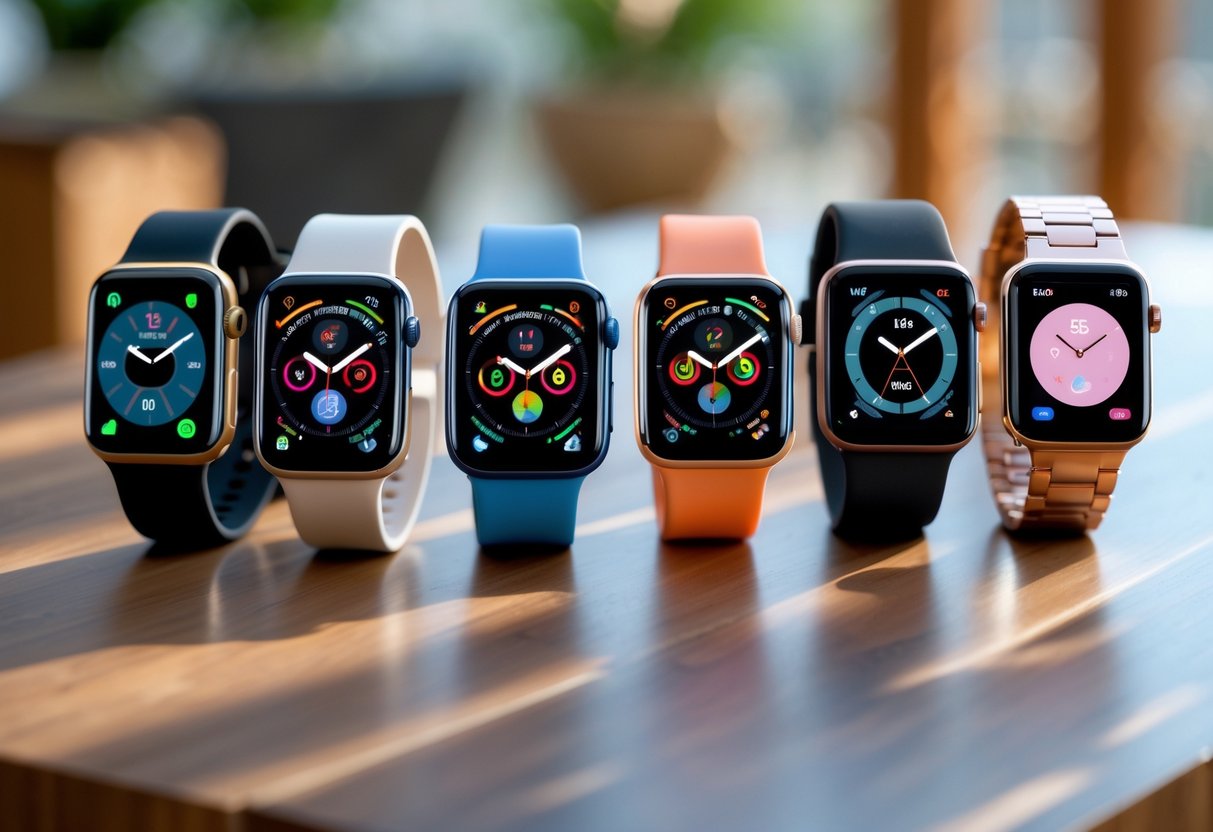
Smart watches aren’t just about telling time anymore—they’re like tiny computers strapped to your wrist. You can track your health, take calls, shoot off messages, and run apps, all without digging for your phone. The Apple Watch Series 11 really takes the cake for 2025, with impressive battery life, spot-on fitness tracking, and a ridiculous number of apps to pick from.
Most smartwatches these days work with both iPhones and Androids, but you’ll get the best results if you match brands. Apple Watches only play nice with iPhones. If you’re on Android, the Google Pixel Watch 4 and Samsung Galaxy Watch Ultra are solid picks. For folks who want to stay plugged in without always pulling out their phone, these gadgets have become pretty much essential.
There’s something out there for every budget and lifestyle. Maybe you just want to count your steps, or maybe you’re into tracking every heartbeat and mile—either way, there’s a smartwatch for you. The trick is figuring out which features actually matter to you and making sure your pick works well with your phone.
Key Takeaways
- The Apple Watch Series 11 is the go-to for iPhone users, while Android fans should check out the Google Pixel Watch 4 or Samsung Galaxy Watch Ultra
- Modern smartwatches go way beyond timekeeping—they’ve got fitness tracking, app support, notifications, and even health monitoring
- Picking the right smartwatch comes down to your phone, your budget, and which features fit your daily routine
Top Picks for the Best Smart Watches in 2025

In 2025, there’s no shortage of standout smartwatches. Apple Watch Series 10 leads the iPhone pack, while Samsung Galaxy Watch 7 is the Android champ. Each one brings its own strengths—whether that’s health tracking, battery life, or smart features.
Best Overall Smartwatch Models
The Apple Watch Series 10 is the top pick for 2025. It’s got a screen that’s 30% bigger than before and FDA-approved sleep apnea detection. It just fits right in with everything Apple.
If you need something tough, the Apple Watch Ultra 2 is built for adventure. Expect 36+ hours of battery, dual-frequency GPS, and a titanium body that can handle the wild.
The Samsung Galaxy Watch 7 runs Wear OS 5 and brings AI-powered health tracking, ECG, and even snore detection. You’ll often find it on sale for $199-229.
Google Pixel Watch 3 blends Fitbit’s health smarts with smooth Wear OS performance. Battery life usually stretches to about 48 hours with normal use.
For those who live and breathe fitness, the Garmin Forerunner 970 packs pro-level metrics, dual-band GPS, ECG, and a sharp AMOLED display.
If you’re watching your wallet, check out the Amazfit Active 2. It gives you 10 days of battery and reliable fitness tracking for under $100.
Best Smart Watches for iPhone Users
Apple’s own watches are the best bet for iPhone folks. The Apple Watch Series 10 leads the way in features and seamless iPhone integration.
It’s got FDA-cleared sleep apnea detection and a bigger, easier-to-read display. Notifications and apps just work better here.
The Apple Watch Ultra 2 is for the outdoorsy types. It lasts for days and the titanium case is tough as nails.
On a budget? The Apple Watch SE 3 covers the basics—fitness tracking and health monitoring—at a lower price, making it a good starter watch.
All Apple Watches need to pair with an iPhone to unlock their full potential. If you try a third-party smartwatch with your iPhone, you’ll lose out on a bunch of features.
Best Smart Watches for Android Compatibility
Android users have a bunch of strong options. Samsung Galaxy Watch 7 works best with Samsung phones but is friendly with all Androids.
It’s got a sapphire crystal screen and advanced health sensors. Wear OS 5 keeps things running smoothly and ties in well with Google services.
Google Pixel Watch 3 is a great fit for non-Samsung Android users. Fitbit’s health tracking is built in, and the round design looks classic.
OnePlus Watch 3 gives you tons of value—five days of battery, a titanium bezel, and support for over 100 activities. The price undercuts a lot of premium watches.
Garmin Venu 3 is for health-focused folks and works with both iPhone and Android. The AMOLED screen and wellness features are a hit with fitness lovers.
Wear OS watches usually offer the best Android experience and the widest app selection.
Essential Features and Innovations in Modern Smart Watches

Smartwatches these days are loaded with health sensors, long-lasting batteries, and tight connections to your phone and even smart home gear. They’re not just gadgets—they’re your health buddy, your notification center, and sometimes, your safety net.
Health and Fitness Tracking Capabilities
Health tracking is where smartwatches really shine now. Heart rate sensors keep tabs on you all day with impressive accuracy. Many watches also track stress using heart rate variability.
Sleep tracking isn’t just about hours anymore. Higher-end models break down your sleep stages and even flag possible sleep apnea. Some go as far as analyzing your sleep quality and suggesting ways to improve it.
Fitness tracking covers everything from auto-detecting workouts to deep-dive stats like VO2 max and recovery time. Body battery features help you figure out when you’ve got energy to burn and when you need to chill.
Flagship models now include blood oxygen monitoring and ECG. Some even have temperature sensors that can spot early illness. Fall detection can call for help if you take a spill.
Battery Life and Charging Technologies
Battery life is all over the map. Simple fitness trackers can coast for 7-14 days. Full-featured smartwatches usually get you through 1-3 days.
Fast charging means you can top up in a pinch—some watches hit 80% in under half an hour. Most higher-end watches now support wireless charging.
Solar charging is a thing for outdoor types. With enough sunlight, these can keep running for ages. Power-saving modes help stretch out battery life by turning off extras.
Smartwatches get better at saving juice thanks to features like adaptive brightness and scheduled sleep modes. Some even learn your habits to eke out more battery.
Connectivity, Safety, and User Experience
Cellular models let you leave your phone at home and still make calls, text, or stream music. 5G support is rolling out, making everything faster.
Satellite connectivity is a lifesaver in remote spots, letting you send SOS messages if you’re out of cell range.
Voice assistants—Siri, Google Assistant, Alexa—make controlling your watch hands-free. They’re handy for smart home stuff, weather checks, and reminders.
Safety features like fall detection and SOS are becoming standard. Location sharing is useful for families. Gesture controls let you swipe around without touching the screen.
Payments are a breeze with Apple Pay, Google Wallet, and Garmin Pay. NFC tech keeps your transactions secure.
Advanced Displays and Design Elements
OLED and AMOLED screens look fantastic—bold colors, deep blacks, and they’re easy to see outdoors. Always-on displays show key info without waking the whole screen.
Rotating bezels on Samsung watches and digital crowns on others make scrolling and navigating less fiddly. Touchscreens now work even with wet hands or gloves.
GPS has gotten more accurate with multi-band support. Dual-frequency GPS nails your location even in tricky spots. Some watches also support GLONASS and Galileo satellites.
Wear OS and the latest Wear OS 5 bring deep Android integration. Google Gemini AI is getting smarter at voice commands. App choices keep growing thanks to more developer support.
Premium models use titanium, sapphire crystal, and ceramic. Water resistance is up to 10 ATM for swimmers and divers.
Frequently Asked Questions
People usually have a lot of questions about smartwatches—stuff like battery life, health tracking accuracy, and whether their phone will work with the watch. Here are some of the things most folks wonder about.
What are the top features to consider when choosing a smartwatch?
Display quality and size matter—look for a screen that’s bright and easy to read outdoors.
Battery life affects how much hassle you’ll have. Most decent smartwatches last a day or two between charges.
Make sure your watch works well with your phone’s operating system. iPhone users should stick with Apple Watches. Android users have more options.
Health sensors are a must for most people these days—heart rate, GPS, and sleep tracking are pretty standard now.
Don’t forget about water resistance. At least IPX7 is a good baseline for basic protection.
How long does the battery typically last on leading smartwatches?
Apple Watches usually last 18-24 hours. Heavy GPS or cellular use will cut that down.
Samsung Galaxy Watches can make it 2-3 days, but your mileage will vary depending on settings and features.
Garmin is king for battery life—some go 5-14 days, especially if you’re not always using GPS.
Always-on displays use more power. Turning them off can squeeze out a few more hours.
Can smartwatches function independently without a phone connection?
Watches with cellular can make calls and send texts on their own, but you’ll need a separate data plan.
GPS works fine without your phone, so you can track runs or rides offline.
You can store music for offline listening—most watches hold 500-1,000 songs.
Some apps need your phone for setup, but timers, alarms, and basic tracking work solo after that.
Wi-Fi lets you get updates or use some features if you’re away from your phone but near a network.
What health and fitness tracking capabilities do the best smartwatches offer?
Heart rate monitoring is either always on or on-demand. Some watches can spot irregular rhythms and send alerts.
Sleep tracking checks both quality and duration. Many break down sleep stages and offer tips for better rest.
GPS helps track outdoor workouts with solid accuracy—distance, pace, and routes are all covered.
Blood oxygen (SpO2) sensors help monitor breathing and how you’re handling altitude.
Stress tracking uses heart rate variability. Some watches even prompt you to breathe when stress is high.
Fall detection can call emergency contacts automatically—great for older folks or anyone active.
How do smartwatches integrate with other smart devices?
Smart home stuff is easy to control via watch apps. Adjust your thermostat, lights, or security with a tap.
Voice assistants let you bark out commands hands-free. Siri, Google Assistant, and Alexa are all in the mix.
Notifications from your phone—calls, texts, app alerts—show up instantly on your wrist.
Music streaming services like Spotify, Apple Music, and YouTube Music have their own watch apps.
Calendar and email sync keep you on top of appointments and messages, right from your wrist.
What are the options for customizing the appearance of a smartwatch?
Watch faces open up tons of ways to make your smartwatch feel personal. You can pick digital, analog, or even wild custom designs—some show off a bunch of data, others keep it simple.
Swapping out bands changes the vibe fast. There are leather, metal, fabric, and rubber bands, so you can match your mood or dress code without much fuss.
Always-on display tweaks also play a part in how your watch looks. You can adjust brightness or play with color schemes, which helps if you’re bouncing between bright sunlight and a dim room.
Arranging your apps and picking which complications show up on your main screens adds a layer of functional style. It’s handy to keep your go-tos front and center.
Case materials and colors depend on the model. Some folks like the classic feel of stainless steel, others go for aluminum or titanium—there’s usually something for every taste and budget.
Comments