
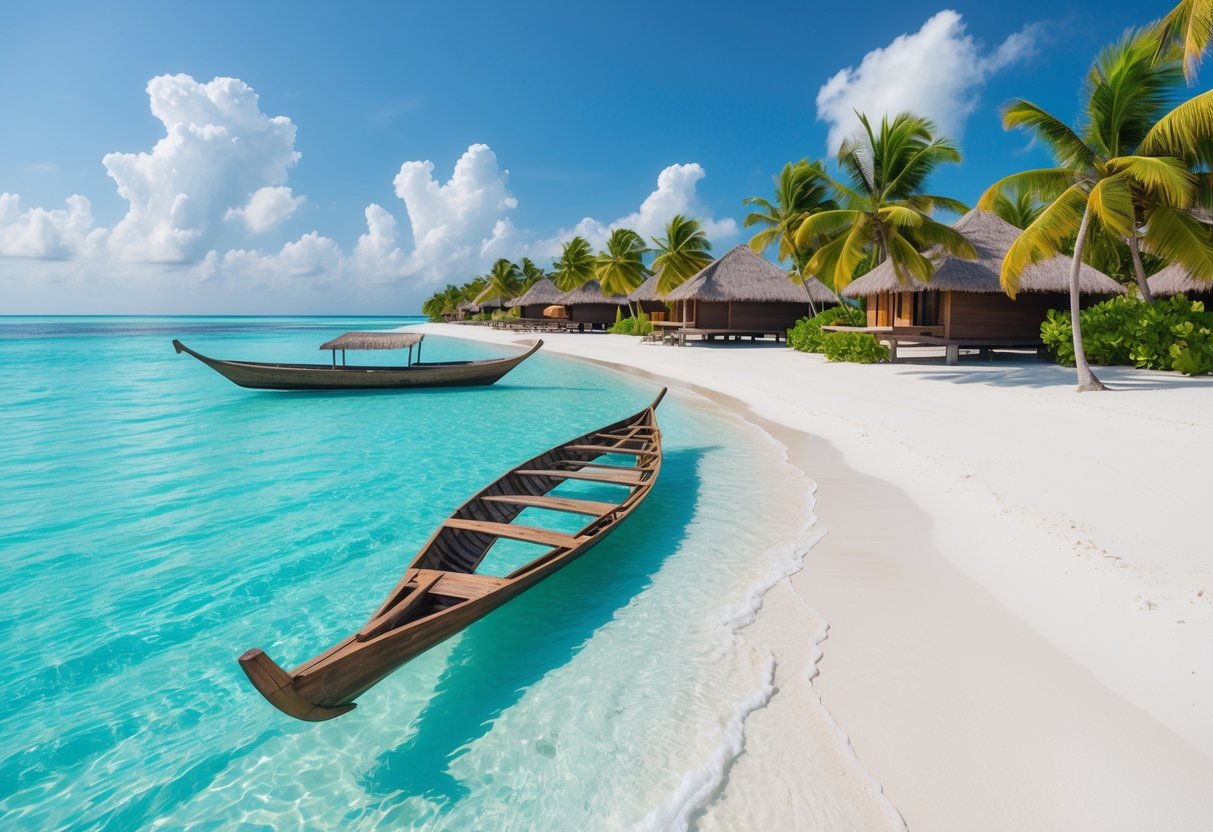
The Maldives sits high on many travelers’ bucket lists, thanks to its clear turquoise waters, white-sand beaches, and those iconic overwater bungalows scattered across nearly 1,200 coral islands in the Indian Ocean. What was once a far-flung archipelago now draws honeymooners, families, and adventurers from all over. It’s not just hype—it really does feel like paradise.
If you’re heading to the Maldives, planning ahead goes a long way—especially when you’re choosing between private resort islands and local guesthouses or figuring out how you’ll get around by seaplane or speedboat. The Maldives is a Muslim nation, so you’ll need to respect local customs and rules, and your experience will change a lot depending on whether you’re on a private island or a local one.
Budget, length of stay, and activities shape most Maldives trips. Five nights is the sweet spot for most people, enough to unwind and soak up the island vibe. Stay longer if you want to hop between islands or dive into the marine life that makes these islands famous.
Key Takeaways
- Five nights or more lets you really settle in and makes the trip worth the long flights
- Pick between high-end private resorts or more affordable local islands—each comes with its own set of rules and perks
- Respect local Muslim customs, and pack well—shopping is limited once you’re out on the islands
Key Information for Planning Your Trip
Weather matters a lot in the Maldives. The dry season from November to April is prime time—think blue skies and calm seas. You’ll get a free 30-day visa on arrival, and US dollars work almost everywhere alongside the Maldivian rufiyaa.
Best Time to Visit and Understanding the Dry Season
November through April marks the dry season and the busiest months. Rain is rare, the sea is gentle, and the sun sticks around. Expect temps around 84-86°F (29-30°C).
Peak Season Benefits:
- Usually less than 4 inches of rain per month
- Light northeast winds
- Great visibility for diving and snorkeling
- Waters are calm—perfect for water sports
May and October can be good too, with fewer crowds. Just know that prices skyrocket during the dry season because everyone wants in.
Wet Season Considerations:
From May to October, expect more afternoon showers and wind. Resorts drop their prices, but weather can be unpredictable and storms sometimes mess with seaplane schedules.
Visa and Entry Requirements
US citizens and most other travelers get a free 30-day tourist visa when they land. No need to apply ahead for tourism.
Entry Requirements:
- Passport valid for at least 6 more months
- Return or onward flight ticket
- Proof of where you’re staying
- Enough money for your trip
Immigration might ask to see hotel bookings or transfer details. If you want to stay longer, you’ll have to leave and come back—no tourist visa extensions.
Kids need their own passport—birth certificates won’t cut it for entry.
Currency, Payments, and Tipping Practices
The Maldivian rufiyaa (MVR) is official, but US dollars are accepted and even preferred at most resorts. Prices, especially for tourists, are usually quoted in USD.
Payment Methods:
- Credit cards work at most resorts and hotels
- Bring cash for purchases on local islands
- ATMs are few and far between outside Malé
- Resort bills usually include a 10% service charge and 8% tax
Tipping Guidelines:
- Housekeeping: $3-5/day
- Seaplane pilots: $10-20/person
- Dive instructors: $10-15/dive
- Spa: 10-15% if not already included
Most resorts tack on service charges, so tips aren’t required but are always appreciated. On local islands, smaller tips in rufiyaa for everyday services are the norm.
Experiencing the Maldives

From the moment you arrive in Malé, the Maldives feels special. Seaplanes and speedboats whisk you off to everything from luxury overwater villas to cozy guesthouses. If you take the time to learn a bit about Maldivian customs and travel responsibly, you’ll help keep these islands beautiful for the next wave of travelers.
Arrival in Malé and Getting Around the Islands
All international flights land at Velana International Airport in Malé. The airport is on Hulhulé Island, just across a bridge from the capital.
Most resorts arrange your transfers. Seaplanes, which only fly during daylight, cost $300-800 per person. Speedboats run day and night, taking anywhere from 15 minutes to a couple hours depending on how far your island is.
Transfer Options:
- Seaplane: Stunning views, but only during the day
- Speedboat: Quicker and runs at night
- Domestic flight + speedboat: Needed for far-off atolls
Public ferries connect local islands within each atoll, costing just $2-5 per ride, but they’re on fixed schedules.
You can also charter a private boat for $200-500 a day, giving you freedom to hop islands and snorkel wherever you want.
Types of Accommodation: Overwater Bungalows, Resorts, and Local Guesthouses
Overwater bungalows are the Maldives’ claim to fame—villas perched above clear lagoons with ladders straight into the sea. Prices start around $500 and can soar to $3,000 a night.
At luxury spots like St. Regis Vommuli, you’ll find 44 overwater villas, each with a private pool and butler service. The largest villa is massive—16,500 square feet, if you can believe it.
Resort islands take up whole islands and usually have 50-200 rooms, several restaurants, spas, and activity centers. All-inclusive rates often run $800-2,000 per night for two.
Local guesthouses on inhabited islands are much cheaper—$50-200 a night. You’ll have to follow local rules, like no alcohol and modest dress in public.
Staying at a guesthouse means you can actually meet Maldivian families and get a taste of real island life.
Maldivian Culture, Customs, and Responsible Tourism
Maldivian culture is a mix of Islamic traditions and seafaring history. Islam shapes daily life, with five prayer calls a day and Friday as the holy day.
On local islands, dress modestly—bikinis are only okay at resort beaches or special tourist spots. Alcohol isn’t allowed on inhabited islands, but resorts serve it freely.
The environment here is fragile. Rising sea levels and coral bleaching are real threats. Many resorts run desalination plants to cut down on water imports.
Some places let you “adopt” coral frames to help restore reefs—you can even check their progress online. There are also efforts to protect whale sharks and turtles.
Do your part by:
- Using reef-safe sunscreen
- Never touching or standing on coral
- Supporting local businesses
- Cutting down on plastic
- Following fishing rules
Local fishing communities really depend on sustainable tourism. Buying handmade crafts or eating at family-run restaurants directly supports the people who live here.
Frequently Asked Questions
There’s a lot to figure out before you go—entry rules, health stuff, timing, money, where to stay, and how to travel responsibly. Getting these basics down makes your trip smoother and more enjoyable.
What are the entry requirements for visiting the Maldives?
Most travelers get a free 30-day tourist visa when they land at Velana International Airport. You’ll need a passport valid for at least six more months.
Be ready to show a return or onward ticket, plus proof of where you’re staying or enough funds for your visit.
Almost everyone can enter without a pre-arranged visa, but it’s smart to double-check the latest requirements with Maldivian immigration before you go.
Are there any specific vaccinations required before travelling to the Maldives?
No required vaccinations for most visitors, unless you’re coming from a country with yellow fever—then you’ll need proof of vaccination.
Doctors recommend keeping up with routine shots like MMR, tetanus, and hepatitis A. It’s always a good idea to ask your healthcare provider what you might need.
There’s no malaria risk in the Maldives, so you can skip anti-malarials. The tropical climate is generally safe for travelers.
What is the best time of year to visit the Maldives for ideal weather?
November to April is the dry season, which means the best weather—less rain, lower humidity, and calm seas for all the water fun.
December through March is peak season and driest. Temperatures stay steady year-round, usually between 77-86°F (25-30°C).
May to October brings more rain and possible storms, but showers are usually brief, and prices drop during these months.
What type of currency is accepted and are there ATMs widely available in the Maldives?
The Maldivian Rufiyaa (MVR) is official, but US dollars are accepted at resorts and tourist spots. Resorts often list prices in USD and prefer it for payment.
You’ll find ATMs at the airport and in Malé, but not really on resort islands. Bring enough cash or plan to use credit cards at your hotel.
Visa and Mastercard are widely accepted. Just tell your bank you’ll be traveling so your card doesn’t get blocked.
What are the accommodation options available in the Maldives?
Most resorts offer luxury overwater bungalows and beachfront villas, with direct ocean access and lots of amenities on private islands.
If you’re on a budget, guesthouses on local islands are a solid choice. They’re way cheaper and give you a chance to experience local culture.
Divers sometimes go for liveaboard boats, which let you explore multiple reefs. Some travelers split their stay between different types of places for a mix of experiences.
How can I ensure respectful and environmentally friendly tourism in the Maldives?
Pick resorts that actually care about the environment—look for ones with strong green policies and real coral reef protection programs. These places often use renewable energy and try to cut down on waste, which honestly makes a difference.
When you’re out exploring, don’t touch or step on the coral reefs. It’s tempting, but they’re fragile. Go for reef-safe sunscreen too; regular stuff can mess up marine life in ways we don’t always see.
If you visit inhabited islands, dress modestly out of respect for local customs. Spend your money at local shops and restaurants when you can—it helps make sure tourism benefits everyone, not just big companies.
Comments