
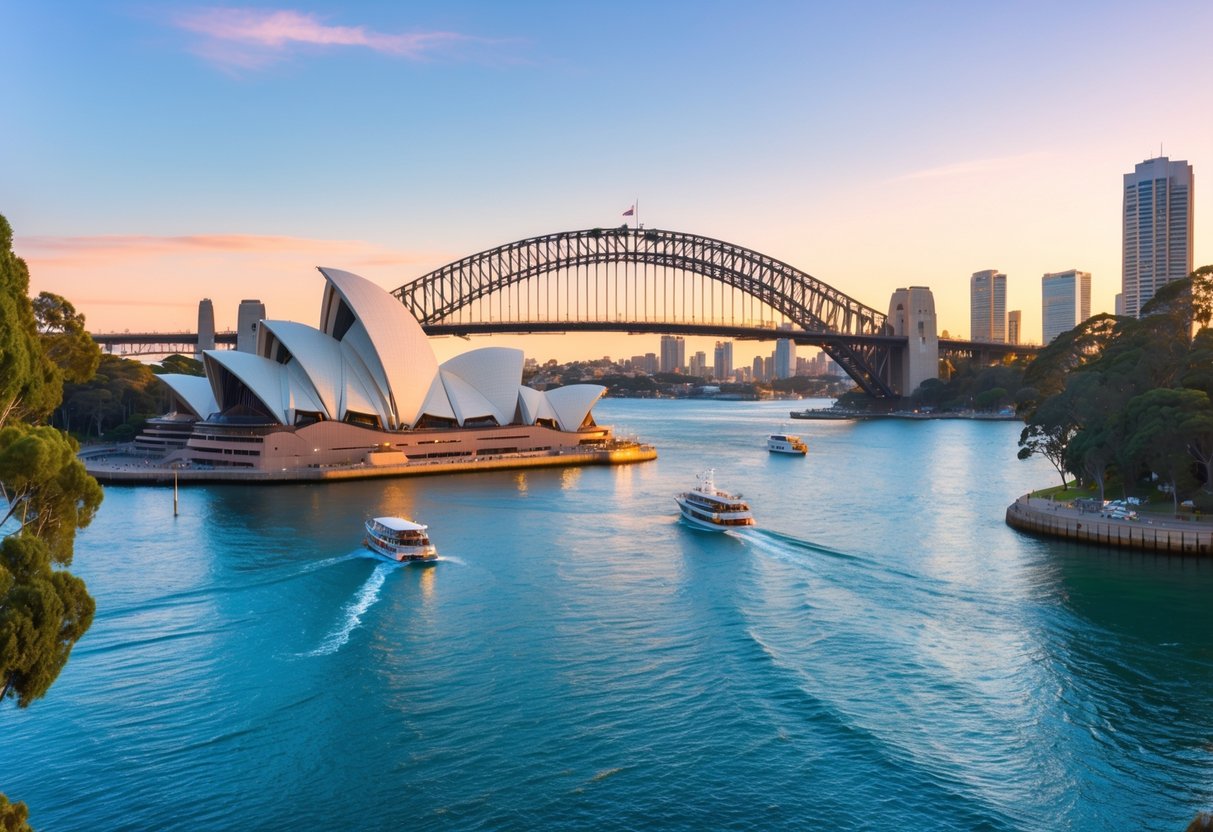
Sydney’s Australia’s most vibrant city, where famous landmarks rub shoulders with stunning natural beauty. The harbor city’s got something for every kind of traveler—iconic architecture, wild beaches, and city buzz all packed together.
Sydney combines must-see attractions like the Opera House and Harbour Bridge with endless outdoor adventures, making it perfect for both first-time visitors and seasoned travelers. You could climb the famous bridge in the morning, surf at Bondi Beach in the afternoon, and then wander historic lanes for dinner by evening. Not bad, right?
The city’s appeal sticks around all year thanks to a mix of cultural happenings and natural escapes. Golden beaches stretch along the coast and green parks offer a breather from the city’s energy.
Key Takeaways
- Sydney’s iconic landmarks and diverse experiences suit all sorts of travelers
- The city gives you easy access to both urban sights and outdoor fun
- You can enjoy Sydney’s attractions year-round thanks to its climate and variety of things to do
Top Sydney Experiences and Landmarks
Sydney’s best-known sights cluster around its gorgeous harbor, with world-famous buildings and historic neighborhoods. The Opera House and Harbour Bridge dominate the waterfront, right beside lively ferry wharves and old colonial streets.
Sydney Opera House: Iconic Architecture and Events
The Sydney Opera House is Australia’s most recognizable building, with those wild, white sails. This UNESCO World Heritage site hosts over 1,500 performances yearly across several venues.
Guided tours run every 30 minutes, showing off the Concert Hall, Joan Sutherland Theatre, and backstage spots. You get a real feel for the place.
The Opera House hosts everything from opera and ballet to theater and big-name concerts. Sydney Symphony Orchestra shows are a local favorite, and sometimes you’ll catch a major Broadway production.
Performance venues include:
- Concert Hall (2,679 seats)
- Joan Sutherland Theatre (1,507 seats)
- Drama Theatre (544 seats)
- Playhouse (398 seats)
Tours cost about $47 for adults, $32 for kids. Show tickets start at $39 and can go way up, depending on what you want to see and where you sit.
Sydney Harbour Bridge: Walks and Climb Experiences
The Sydney Harbour Bridge gives you a few ways to take in the view from 134 meters above the water. The famous BridgeClimb leads you up the steel arch for a seriously good panorama.
You’ve got three climb options: The main Bridge Climb (3.5 hours, all the way to the top), the Express Climb (2.5 hours, fewer stops), and the Sampler Climb (1.5 hours, shorter route).
Climb prices vary by time:
- Daytime climbs: $174-$388
- Twilight climbs: $254-$428
- Night climbs: $194-$348
The Harbour Bridge Pylon Lookout is a cheaper alternative at $19 for adults, with a museum and 360-degree views thrown in.
Or just walk the bridge’s eastern sidewalk for free—it’s about 15 minutes each way and the views are hard to beat.
Sydney Harbour and Circular Quay: Ferry Rides and Waterfront Views
Sydney Harbour sprawls over 240 square kilometers, dotted with beaches, parks, and islands. Circular Quay is the main ferry hub, linking you to all sorts of harbor spots.
Ferries run to Manly, Parramatta, Taronga Zoo, and more. The Manly ferry is the classic—30 minutes of harbor scenery, islands, and waterfront mansions.
Popular ferry destinations:
- Manly Beach (30 minutes, $8.05)
- Taronga Zoo (12 minutes, $6.50)
- Parramatta (75 minutes, $6.50)
- Watson’s Bay (25 minutes, $6.50)
Harbor cruises offer dinner and sightseeing trips. Captain Cook Cruises and Sydney Harbour Escapes run daily tours from one to three hours.
The Circular Quay promenade links the Opera House and Harbour Bridge. It’s full of street performers, restaurants, and those classic harbor views—perfect for a wander, honestly.
The Rocks: History, Culture, and Markets
The Rocks is Sydney’s oldest neighborhood, settled in 1788. You’ll walk cobblestone streets and see heritage buildings that still keep the area’s colonial vibe alive.
The Rocks Markets pop up every weekend with over 150 stalls. Local artists sell handmade crafts, jewelry, and art, and there’s food from all over the world.
Check out the Sydney Harbour Bridge Museum and Rocks Discovery Museum to dig into convict history and the story of the bridge.
Weekend market details:
- When: Saturday and Sunday, 10am-5pm
- Location: Playfair Street and Jack Mundey Place
- Cost: Free entry
- Stalls: 150+ vendors
Pubs like the Hero of Waterloo and Lord Nelson Brewery Hotel have been pouring since the 1840s. You’ll find classic Aussie food and local brews inside.
The Rocks Walking Tours run daily, covering convict sites, old buildings, and even a ghost story or two. Tours last about 90 minutes and cost $35 for adults.
Outdoor Adventures and Natural Highlights

Sydney’s natural beauty runs from famous golden beaches to lush gardens and mountain escapes just outside the city. You’ll find easy access to coastal hikes, harbor fun, and day trips to some pretty wild rock formations.
Beaches: Bondi, Manly, and Coogee
Bondi Beach is probably Australia’s most famous bit of sand. You can take a surf lesson or just hang out by the water—there are good facilities and cafes nearby for a post-swim snack.
The Bondi to Coogee Coastal Walk is a six-kilometer clifftop trail through bushland and hidden coves. It takes two to three hours and passes spots like Gordons Bay, where you can snorkel an underwater nature trail.
Manly Beach is across the harbor. The ferry ride alone is worth it for the views. The beach itself is a bit calmer than Bondi and has plenty of family-friendly spots.
Coogee feels more laid-back. You’ll find rock pools, parks, and a waterfront lined with local cafes.
Royal Botanic Garden: Urban Oasis
The Royal Botanic Garden covers 30 hectares right on Sydney Harbor. There’s over a million plants from all over, with native Australian species and exotics mixed in.
Wandering the paths, you’ll pass rose gardens, tropical plants, and herb beds. The Calyx hosts changing exhibitions and some fun educational stuff.
You’ll get some of Sydney’s best harbor views here—Mrs Macquaries Chair is a top photo spot. The gardens open daily from sunrise to sunset, and it’s free to get in.
Guided tours run regularly, covering the plant collections and garden history. You can walk straight from here to the Opera House or Circular Quay.
Day Trips to Blue Mountains and Three Sisters
The Blue Mountains are about 90 minutes west by car or train. This World Heritage area is full of cliffs, eucalyptus forests, and mountain towns.
The Three Sisters rock formation towers over Katoomba—three sandstone pillars rising 900 meters above sea level. Echo Point lookout is the spot for photos.
The Scenic Railway is the world’s steepest passenger railway, dropping you into Jamison Valley. There’s also the Skyway cable car, which glides over the valley with glass floors.
Bushwalking tracks suit all levels. The Grand Canyon track takes about three hours through rainforest, while Katoomba Falls walks are much shorter.
Mountain towns like Leura and Katoomba have antique shops, cafes, and art galleries. Sightseeing, shopping, and food all mix together out here.
Vibrant Destinations: Darling Harbour & More
Darling Harbour packs in entertainment, dining, and harbor activities. You’ll find waterfront restaurants, maritime museums, and festivals happening all the time.
Kayak tours launch at sunrise and during the day from different harbor spots. You can paddle under the Harbor Bridge and around coves, with equipment and quick instruction included.
Stand-up paddleboarding lessons run from Watsons Bay and other calm spots. The flat water is great for beginners.
At Taronga Zoo, you can try climbing rope courses up in the treetops. Four different courses suit various skill levels and offer city views.
The harbor foreshore track links neighborhoods, and cyclists can ride across the Harbor Bridge and through the parks on bike paths.
Frequently Asked Questions
If you’re heading to Sydney, you’ll want to know about visas, top sights, getting around, places to stay, and the best time to visit. Sorting these basics makes trip planning a whole lot easier.
What are the visa requirements for visiting Sydney?
Most international visitors need a valid visa for Australia. Tourist visas let you stay up to three months for leisure.
New Zealanders can enter without a visa. People from some countries can get an Electronic Travel Authority (ETA) or eVisitor permit.
You apply online at the Australian government site. Processing can take anywhere from a few minutes to a few weeks, depending on the visa.
Everyone needs a passport valid for at least six months. Some travelers might need to show proof of funds and a return ticket.
What are the top attractions to visit in Sydney?
The Sydney Opera House is the city’s most famous landmark. Guided tours and performances run all year.
Sydney Harbour Bridge offers climbs and epic views. It links the city center and North Shore.
Bondi Beach draws crowds with golden sand and surf vibes. The coastal walk from Bondi to Coogee takes you past six beaches.
The Royal Botanic Gardens offer green space by the harbor. Taronga Zoo has native animals and a great view.
Darling Harbour is packed with restaurants, shops, and spots like SEA LIFE Sydney Aquarium. There’s always an event or festival happening here.
How does one navigate public transportation in Sydney?
Sydney uses the Opal Card for trains, buses, ferries, and light rail. You can pick one up at stations, shops, or online.
The train network links the city center to suburbs and the airport, with frequent service during rush hour.
Buses cover places trains don’t reach, and ferries cross the harbor for a scenic ride.
Light rail connects the city center to inner suburbs. Trains and trams run from early morning to late evening every day.
What are the recommended areas for accommodation in Sydney?
The Central Business District (CBD) puts you close to major attractions and transport links. You’ll find everything from budget hotels to high-end spots here.
Circular Quay gives you those classic harbor views and it’s just a short walk to the Opera House or Harbour Bridge. It does come with higher prices, though.
Darling Harbour has waterfront hotels surrounded by restaurants and entertainment. You can get into the city center pretty quickly from here.
Bondi Beach lets you stay right by the ocean with a laid-back vibe. Public transport gets you downtown in about half an hour.
Kings Cross and Potts Point have plenty of mid-range places and a lively restaurant scene. The train ride into the city is quick and easy from these neighborhoods.
What is the best time of year to travel to Sydney?
Spring rolls in from September to November—expect mild weather and fewer people crowding the main sights. If you like being outdoors without sweating buckets, this is a solid pick.
Autumn covers March through May. The air feels comfortable, skies usually stay clear, and you might snag better hotel deals compared to the busy summer months.
Summer hits from December to February. The weather gets hot, ideal for beach days, but everyone seems to show up at once. Hotels and flights? Yeah, they cost more now.
Winter lands from June to August. It’s cooler, sure, but Sydney’s winter days often feel pretty pleasant. If you’re hunting for the lowest prices, this is the time to book.
Comments