
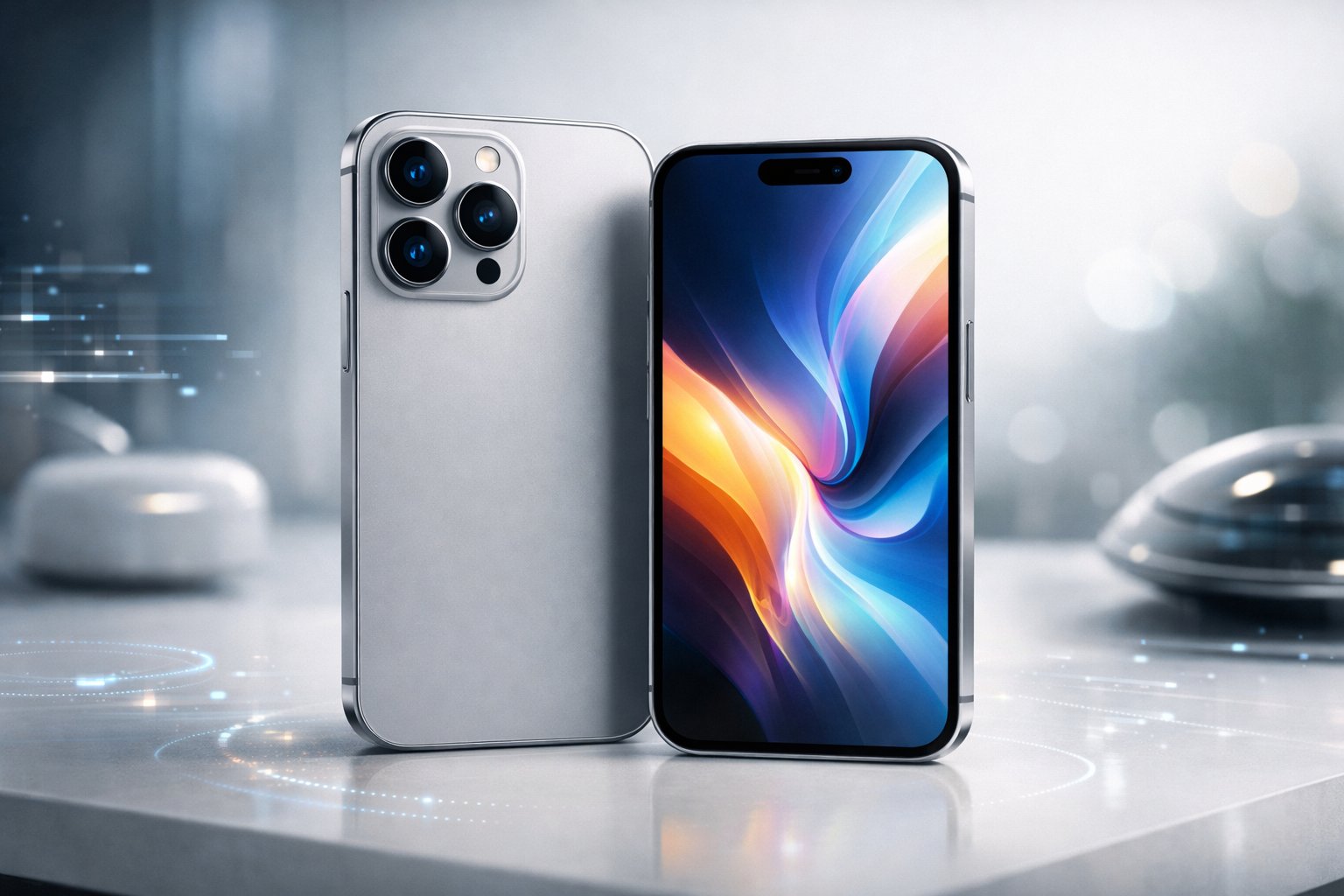
Apple’s shaking up its iPhone launch cycle in 2026. The iPhone 18 Pro and iPhone 18 Pro Max will show up in fall 2026, but the regular iPhone 18? Not until spring 2027. That’s a real departure from the usual all-at-once September drop we’ve come to expect.
For the first time, Apple’s splitting the iPhone launch across two seasons. Pro models will land between September and November 2026, and maybe we’ll see a foldable iPhone tossed in. The standard iPhone 18 and a couple others will follow in spring 2027—probably around March or May.
This means more iPhone choices throughout the year, not just in the fall. But if you’re after the basic iPhone 18, you’ll have to wait it out. The first iPhones of 2026 will start at $999 or higher—so, not exactly cheap.
Key Takeaways
- Apple’s splitting the iPhone 18 launch: Pro models in fall 2026, standard ones in spring 2027
- They’re aiming for five or six iPhone models per year with this new schedule
- The first 2026 models will be the pricier Pro versions, starting at $999+
iPhone 18 Launch Timeline and Model Overview

Apple’s taking a new approach for 2026 and 2027, splitting the iPhone 18 lineup into two launches and expanding to six models—including what might be their first foldable phone.
Staggered Release Strategy and Dates
In September 2026, Apple will roll out four premium iPhones: iPhone 18 Pro, iPhone 18 Pro Max, iPhone 18 Air, and the rumored iPhone Fold. That’s pretty much the usual fall window.
Then in spring 2027, you’ll see the regular iPhone 18 and the more affordable iPhone 18e—likely between February and March. The iPhone Air 2 could also show up, but Apple’s apparently second-guessing its timing after the first Air’s underwhelming sales.
Mark Gurman says Apple wants to break away from fall-only launches and offer five to six models staggered through the year. So if you’re set on upgrading in September, you’ll need to pick a pricier model or wait for the less expensive ones later on.
Comprehensive Lineup: Models and Naming
The iPhone 18 family will have six models, split across two price points. The September 2026 group includes iPhone 18 Pro and Pro Max (6.3-inch and 6.9-inch screens), plus the ultra-thin iPhone 18 Air. That Air model keeps the design style Apple started with the iPhone 17.
The iPhone Fold is Apple’s first shot at a foldable. It opens like a book, with a 5.3-inch outer screen and a 7.6-inch inner display. “iPhone Fold” isn’t official, but that’s what most folks are calling it for now.
Come spring 2027, the base iPhone 18 and iPhone 18e arrive. That “e” probably means entry-level, much like the iPhone 17e did. Every model gets a bump to 24MP front cameras, up from 18MP in the iPhone 17s.
Pricing Trends and Market Positioning
The iPhone Fold will be Apple’s priciest phone ever. Expect a price tag between $1,800 and $2,500—probably closer to the high end. That’s almost double what the iPhone 17 Pro Max cost.
The iPhone 18 Pro models should stick to iPhone 17 prices. The base iPhone 17 came in at $799, and Apple seems determined to keep things stable, even though the new 2nm A20 chip costs at least 50% more to make than the old 3nm ones. Will Apple eat those costs? Maybe, at least for now.
If you’re on a budget, the iPhone 18e is your best bet. Apple will cut costs with things like a simpler Camera Control button (no capacitive sensors here). The standard iPhone 18 might get 12GB RAM but should stick to a reasonable price for those who don’t care about Pro features.
Innovations and Upgrades in the iPhone 18 Series

The iPhone 18 lineup packs a lot of changes—display, cameras, processor, you name it. Expect under-display Face ID, a fresh A20 processor (built on 2nm tech), and mechanical variable aperture cameras all around.
Display Advancements and Dynamic Island Changes
Apple’s finally moving Face ID sensors under the display in the iPhone 18 Pro series. Dynamic Island sticks around, but the selfie camera shifts to a left-aligned punch-hole instead of the current center spot.
The Pro’s got a 6.3-inch display; Pro Max, a 6.9-inch. Both use upgraded OLED panels, so colors and brightness should be a notch better.
The under-display Face ID tech uses a wafer-level multi-chip module (WMCM) to tuck sensors beneath the glass. You get more screen, no loss of security. The smaller Dynamic Island means a cleaner look for videos and full-screen apps.
Camera Hardware and Imaging Enhancements
The Pro models introduce mechanical variable aperture controls—letting you tweak how much light the sensor gets, just like on a real camera.
Apple’s using a new three-layer stacked sensor for better low-light shots. Night photos should have less noise and more detail. The main camera stays at 48MP, with two 12MP secondary lenses for ultrawide and telephoto.
The camera control button is back and more sensitive to pressure. Image processing gets a boost from the new neural engine in the A20 chip, so computational photography should feel snappier.
Processor, Memory, and Connectivity Improvements
The A20 chip (built on TSMC’s 2nm process) powers the iPhone 18 series. It’s faster and more efficient than the last generation. The Pro models get an A20 Pro variant with extra GPU muscle.
Pro models jump to 12GB of LPDDR5X RAM—helping with multitasking and heavy apps.
Apple’s new C2 5G modem (their own, not Qualcomm’s) promises better 5G with stronger signal and less battery drain. Improved heat dissipation means the A20 can run hard without throttling as much.
Design Evolution and Form Factor
The iPhone 18 Pro series is thicker to make room for bigger internals. The Pro Max packs a 5,100mAh battery, so it’ll probably be the heaviest iPhone yet.
The camera bump’s still there, but it’s a bit more polished. The back panel keeps that premium glass look. The frame design mostly matches the iPhone 17 Pro, with just minor tweaks. The extra battery adds some heft, but that’s the trade-off.
Frequently Asked Questions
The iPhone 18 launch shakes up Apple’s usual routine, with a new timeline and some wild flagship models. Here’s what’s worth knowing if you’re trying to keep up.
What are the standout features of the new iPhone model?
The iPhone 18 series debuts Apple’s first 2nm chips—the A20 Pro will power the iPhone 18 Pro, Pro Max, and Fold in late 2026.
Variable aperture tech is exclusive to the Pro models. It’ll auto-adjust based on lighting for better photos.
Both Pro models get a 48MP telephoto camera with a wider aperture—maybe F/2.0 instead of the old F/2.2—so more light hits the sensor.
Expect a punch-hole front camera instead of the pill-shaped cutout. Face ID sensors move under the screen for a cleaner look.
Apple’s testing vapor chamber cooling in the Pro models. The Pro Max will be thicker and heavier to fit better cooling and a bigger battery.
When is the iPhone 18 expected to be released?
The iPhone 18 Pro, Pro Max, and Fold are set for September 2026—classic Apple fall timing for high-end phones.
The standard iPhone 18 won’t launch with the Pros. Apple’s looking at spring 2027 for that, and there’s even talk it could be called iPhone 20 instead.
The iPhone 18e is also coming early 2027, not fall 2026. It’s a big change from Apple’s usual “all at once” approach.
How much will the iPhone 18 cost at launch?
Expect the iPhone 18 Pro to start at $1,099—same as the iPhone 17 Pro.
Memory shortages might nudge prices higher, but Apple’s custom chips could help balance that out.
The Fold will be the most expensive, sitting above the Pro Max. No official numbers yet, but it’s definitely a premium play.
When the iPhone 18 drops, the iPhone 17 lineup will see big discounts. Carriers and retailers usually offer solid deals on last year’s models.
Will the iPhone 18 offer improvements in battery life over its predecessor?
The Pro Max model should have a bigger battery thanks to its thicker body. Apple hasn’t shared exact numbers yet.
The Fold is being tested with batteries in the 5,400-5,800mAh range—a big jump over standard iPhones.
High Mobility Oxide display tech could cut power use across the board. Samsung started mass-producing these in 2026, but it’s not clear if Apple’s using them right away.
Don’t expect silicon-carbon batteries in the iPhone 18. Apple’s not ready to gamble on that yet.
What camera specifications can we anticipate with the iPhone 18?
The Pro and Pro Max will have variable aperture on their main cameras—auto-adjusting for light conditions.
Both Pros get a 48MP periscope telephoto camera, likely with a wider F/2.0 aperture.
Apple’s working on a 100MP in-house sensor with Lateral Overflow Integration Capacitor tech, but you won’t see it in the iPhone 18—maybe down the line.
Camera systems will build on Tetraprism zoom from the iPhone 15 Pro Max. Apple keeps trickling advanced camera features into more models each year.
How does the iPhone 18 compare with its competitors in the current market?
Apple’s iPhone 18 is set to roll out with TSMC’s 2nm manufacturing process for its A20 Pro chipset. That’s a step ahead of most rivals, who are still relying on older process nodes. You can almost feel Apple’s confidence in their silicon game here, right?
But when it comes to memory, Apple’s taking a more conservative route. They’re sticking with six-channel LPDDR5X memory, skipping LPDDR6 for now. So, the iPhone 18 lags a bit behind Qualcomm’s Snapdragon 8 Elite Gen 6 Pro, which already uses the newer memory tech. Not sure why Apple’s holding back—maybe it’s a supply thing or just their usual cautious approach.
If Apple manages to sort out supply chain hiccups, all iPhone 18 models might finally ship with 12GB of RAM. That’d put them much closer to what Android flagships offer these days, and honestly, it’s about time.
Apple’s new C2 5G modem will support mmWave networks as a homegrown component. Oddly enough, they’re building it on TSMC’s older 4nm process, not the shiny 2nm node they’re using for the main processor. Feels like a bit of a compromise, but maybe there’s more to that story.
Comments