
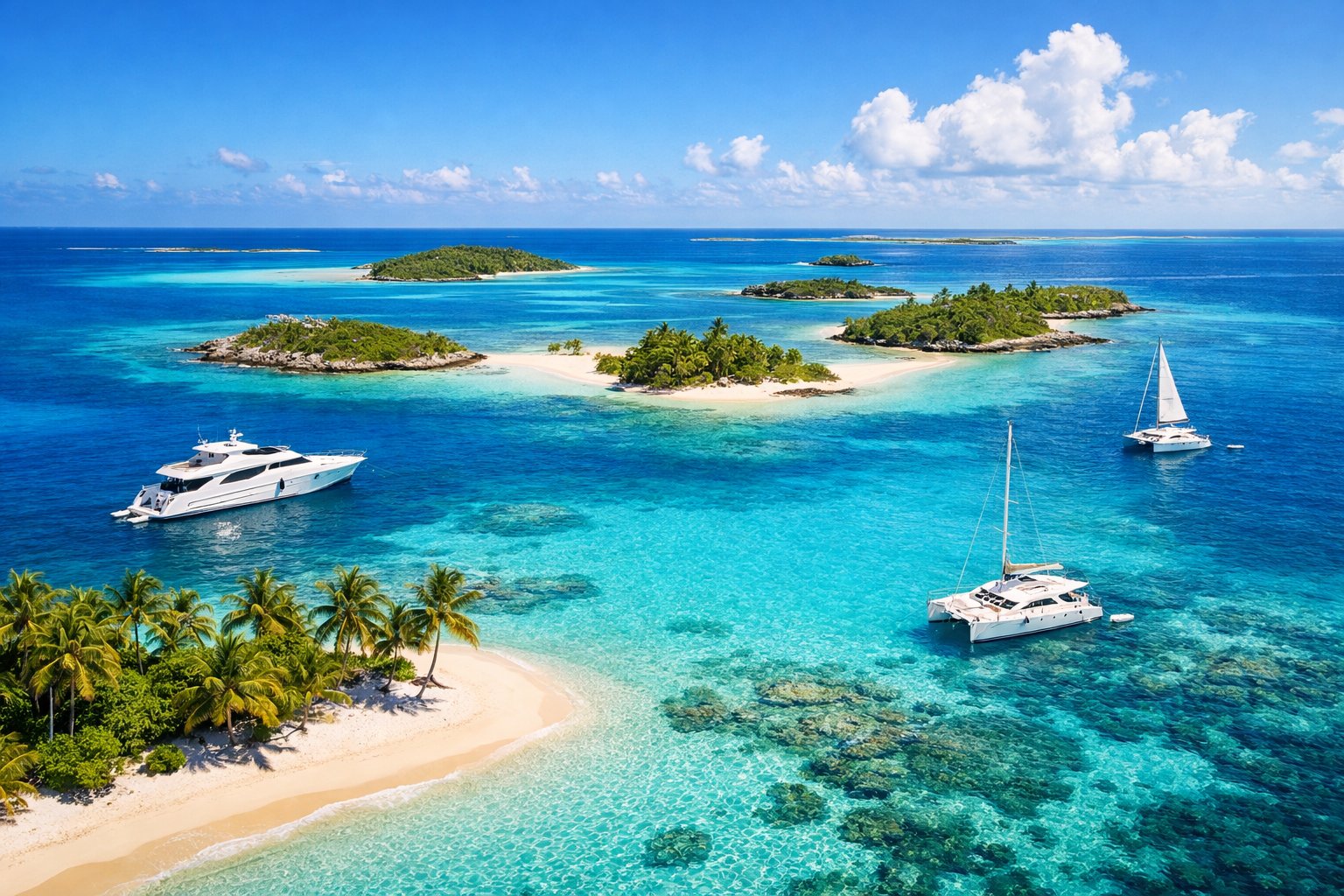
The Bahamas sits just off Florida’s coast, with more than 700 islands scattered across clear turquoise water. Most folks come here for the white sand beaches, warm weather, and how easy it is to get here from the U.S. You can hop on a flight from Miami and land in Nassau in under an hour.
All visitors need a valid passport that stays good for at least six months past your planned departure from The Bahamas. When you land at Lynden Pindling International Airport in Nassau, you’ll fill out an immigration form and declare your bags. The whole process goes quickly if you’ve got your documents ready.
This Bahamas travel guide gives you the basics before you go—like which islands to visit, how to get around, and what to expect when you arrive. It’s all about helping you plan a smooth vacation and avoid any last-minute surprises.
Key Takeaways
- You need a passport valid for six months after your departure date
- There are over 700 islands, each with its own vibe
- Flights and ferries make it easy to hop between Nassau and other islands
Planning Your Bahamas Trip

To get to the Bahamas, you’ll need a valid passport. You can either fly into one of the main airports or catch a ferry from Florida. There’s a wide range of places to stay, from fancy resorts to budget hotels. Timing your trip around the weather and crowds can really change your experience.
Getting to the Bahamas
You’ll need a valid passport for entry under the Western Hemisphere Travel Initiative. If you’re coming by sea, a passport card works, but you need a passport book if you’re flying.
Major Entry Points:
- Lynden Pindling International Airport (Nassau) – main hub for international flights
- Grand Bahama International Airport (Freeport) – serves the northern islands
- Smaller airports on the Family Islands for connections
Bahamasair, the national airline, flies between the islands. Big U.S. carriers run direct flights from cities like Miami, Fort Lauderdale, Atlanta, and New York.
If you’d rather travel by sea, Bahamas Ferries runs boats between Nassau and several islands. Ferries from Fort Lauderdale or Miami to Grand Bahama or Bimini usually take two to three hours.
Where to Stay in the Bahamas
Nassau and Paradise Island have the most places to stay. Atlantis Resort on Paradise Island is massive—waterparks, casinos, and marine habitats all in one spot. Baha Mar in Nassau has several hotels, a golf course, and a casino too.
Accommodation Types:
- Luxury all-inclusives
- Mid-range hotels in downtown Nassau
- Small boutique spots on the Out Islands
- Vacation rentals and guesthouses
The Out Islands (or Family Islands) are quieter, with smaller hotels and rental homes. Grand Bahama mixes resorts and local guesthouses, usually at lower prices than Nassau.
If you’re traveling during peak season (December through April), book early—prices jump and places fill up fast.
Best Time to Visit
December through May is prime time in the Bahamas—temps hover between 70 and 80°F and there’s not much rain. The dry season draws the most visitors and, yeah, prices climb.
Seasonal Breakdown:
| Season | Months | Weather | Crowds | Prices |
|---|---|---|---|---|
| Peak | Dec-Apr | Sunny, 70-80°F | High | Highest |
| Shoulder | May-Jun, Nov | Warm, occasional rain | Medium | Moderate |
| Low | Jul-Oct | Hot, humid, 80-90°F | Low | Lowest |
Hurricane season runs from June to November, with September and October being the riskiest. Summer brings humidity and afternoon storms, but you’ll find the cheapest flights and hotel deals then.
The ocean stays warm all year (75-84°F), so swimming and water sports are always an option.
Essential Travel Tips
The Bahamian dollar matches the U.S. dollar, and you can use both everywhere. Most hotels and restaurants take credit cards, but bring some cash for taxis and small vendors.
Good to Know:
- Tipping is expected (15-20% at restaurants)
- People drive on the left
- Tap water’s safe to drink in Nassau and most big islands
- Electrical outlets are 120V, just like in the U.S.
Bahamas Tourism runs info centers at airports and in downtown Nassau. The islands are pretty safe, but don’t walk alone at night in unfamiliar areas.
If you want to go snorkeling, fishing, or take an island tour during peak season, book ahead. The People-To-People program matches you with locals for free cultural experiences—worth checking out.
Sun protection is a must. Bring reef-safe sunscreen, since some beaches ban products that can harm coral reefs.
Top Islands and Highlights

The Bahamas covers a huge area, but only a handful of islands really stand out for their unique scenes. Nassau and Paradise Island bring resort luxury and water parks, Grand Bahama has national parks and lively markets, while the Out Islands offer quiet beaches and natural beauty.
Nassau and Paradise Island Attractions
Nassau is the capital and where most folks first arrive. You can climb the 66 steps of the Queen’s Staircase, an 18th-century landmark carved by slaves, or wander the city’s colorful colonial streets. The Pirates of Nassau Museum has interactive exhibits that bring the island’s pirate history to life.
Cable Beach runs along the west side of Nassau, with calm water for swimming and water sports. There are plenty of resorts and restaurants lining this stretch.
Paradise Island connects to Nassau by bridge and is basically built around the huge Atlantis resort. Aquaventure Water Park has wild slides, river rides, and marine habitats. The resort’s casino is one of the biggest in the Caribbean, and Dolphin Cay lets you meet dolphins up close. You can buy a day pass if you’re not staying there.
The island is all about family-friendly activities and modern comforts. It gets crowded, especially in winter, but you’re close to dining, shopping, and nightlife.
Grand Bahama and Freeport Experiences
Grand Bahama is the fourth-largest island. Freeport is the main city, with duty-free shopping and some cultural stops. Port Lucaya Marketplace is right on the water, with restaurants, bars, and live goombay music at Count Basie Square in the evenings.
Lucayan National Park protects one of the world’s longest underwater cave systems and mangroves. Gold Rock Beach inside the park has rippled sand and even showed up in some Pirates of the Caribbean movies. It’s a favorite spot for photographers.
You can snorkel in Owl’s Hole, a blue hole with crazy clear water, or dive with tiger sharks at Tiger Beach if you’re feeling brave. Taino Beach and Lucaya Beach are both good for swimming and sunbathing. You’ll find jet skis, paddleboards, and other rentals at most big beaches.
Exploring the Out Islands
The Exumas are made up of 365 cays in bright blue water. Big Major Cay, or Pig Beach, is where the famous swimming pigs live—they’ll wade right out to greet you. Thunderball Grotto is an underwater cave that showed up in a James Bond movie. On Little Exuma, Tropic of Cancer Beach is great for finding sand dollars.
Harbour Island is famous for its Pink Sand Beach, where crushed coral gives the sand a blush color. Most people get around Dunmore Town by golf cart. The Lone Tree at Girl’s Bank Beach is a popular spot for photos.
Eleuthera stretches 110 miles and has three airports, so it’s easy to reach. The Glass Window Bridge shows off the wild contrast between the deep blue Atlantic and the Caribbean’s aquamarine. Surfer’s Beach is great for waves, while Rainbow Bay Beach is perfect for a stroll.
The Abacos run for 120 miles and are known for boating. Hope Town has colorful cottages and the striped Elbow Reef Lighthouse. Tahiti Beach has a sandbar you can only reach by boat, bike, or on foot.
Andros is the biggest island but still feels untouched. The Andros Barrier Reef is the third-largest in the world—divers and snorkelers love it. Bonefishing is huge here, and some say it’s the best spot anywhere for it.
Bimini sits just 50 miles from Florida and is a magnet for sport fishers. Radio Beach has crystal-clear water and some laid-back bars. You can scuba dive shipwrecks like the SS Sapona or check out the quirky Dolphin House Museum.
Cat Island is quiet and feels truly local. Mount Alvernia is the highest point in the Bahamas at 206 feet, with the Hermitage monastery on top. Fernandez Bay and Greenwood Beach are never crowded—great for kitesurfing or just relaxing.
Frequently Asked Questions
The Bahamas has made entry easy and dropped all COVID-19 testing rules. U.S. citizens need a valid passport, and you can use either Bahamian or U.S. dollars everywhere.
What are the entry requirements for visiting the Bahamas during the current health situation?
All COVID-19 protocols are gone. You don’t need a Bahamas Health Visa or a pre-arrival test.
Anyone can travel freely to and around the islands, no matter their vaccination status. Just bring your passport.
Is a visa required for tourists traveling to the Bahamas, and if so, how do I apply for one?
Most tourists don’t need a visa for the Bahamas. But if your country usually requires a visa for Bahamian travel, you’ll need to get one before your trip.
This rule applies whether you arrive by air or cruise ship. If you’re flying in just to join a cruise, you still need the visa.
U.S. citizens don’t need a visa for tourist visits—just a valid passport.
What are the customs regulations regarding importing or exporting currency when entering or leaving the Bahamas?
You can bring U.S. dollars or Bahamian dollars—both are accepted everywhere since they’re equal in value.
When you arrive, fill out and sign an immigration form. Non-residents get part of the card back, and you’ll hand it to your airline agent when you leave.
If you’re bringing more than your usual personal stuff, just make an oral declaration. The government has dropped import duties on lots of things—alcohol, perfumes, jewelry, watches, and cameras, for example.
Can you provide information on the best time of year to visit the Bahamas for favorable weather conditions?
The trade winds keep the Bahamas warm all year. Winters usually hover around 70°F, while summers can climb anywhere from 80 to 90°F.
Rain shows up throughout the year, but May and June tend to be the wettest. Most showers blow through quickly—usually just a squall or thunderstorm that doesn’t stick around long enough to ruin your day.
Hurricane season stretches from June to November. Plenty of Bahamian hotels now offer hurricane cancellation policies, so you can cancel for a full refund if a storm gets in the way of your trip.
Spring Break runs from late February to mid-April. Some folks try to dodge the crowds, while others come for the beach parties and live music. It’s worth thinking about what kind of vibe you want before booking.
What are the recommended vaccinations and health precautions for travelers to the Bahamas?
It’s smart to use sunscreen, take breaks from the sun, and stick to non-alcoholic drinks if you’re out in the heat. The tropical sun can really sneak up on you if you’re not careful.
Don’t swim alone, and be extra cautious if you’re in the water early in the morning or after dusk. If you have any health concerns, think twice before signing up for intense excursions.
Stick with licensed operators—whether you’re grabbing a taxi, hopping on a water taxi, or trying out jet skis, banana boats, or speedboats. It’s just safer that way.
What are the official currency and acceptable payment methods for tourists in the Bahamas?
The Bahamian dollar is the official currency, and it’s pegged one-to-one with the U.S. dollar. You can use either currency pretty much anywhere on the islands.
ATMs pop up at banks on Nassau, Paradise Island, Grand Bahama Island, and most of the bigger Out Islands. They usually work with PLUS and Cirrus network cards.
When you’re out exploring the Out Islands, it’s smart to keep some cash on hand. Sure, some spots take credit cards, but honestly, cash just works better in the more remote places.
Comments